
-17%
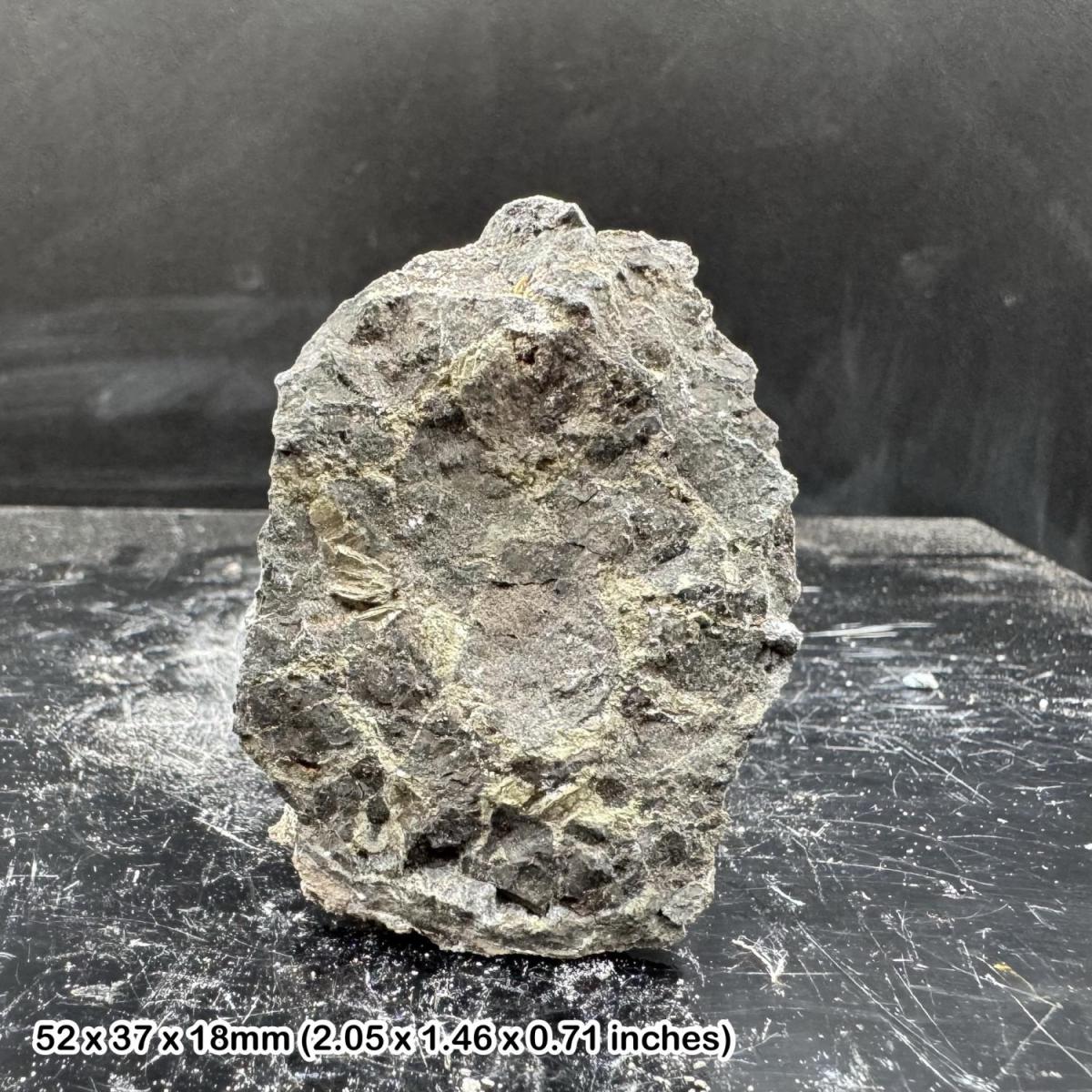
Pyrite in Matrix Crystal Specimen With COA Natural Mineral Display Collectable Geology Cabinet Mineral Decor
$ 9.91
Description About This Pyrite in Matrix Crystal Specimen This Pyrite in Matrix is a genuine natural crystal and mineral specimen, carefully chosen for its metallic lustre, natural matrix setting, and attractive display quality. The photograph shows the actual specimen you will receive, allowing buyers to view the individual form, crystal coverage, colour, surface texture, matrix detail, and natural character of this unique piece before purchase. Full sizing can be seen in the photo. Pyrite is one of the most recognisable sulphide minerals, famous for its brassy gold colour, reflective metallic lustre, and strong geometric crystal forms. When preserved in matrix, the specimen shows the natural relationship between the pyrite and the host rock in which it formed, making it especially appealing for mineral collectors, crystal collectors, geology displays, natural history collections, cabinet specimens, educational use, home décor, office décor, and gifting. Mineral Type and Crystal Species Pyrite is an iron sulphide mineral with the chemical formula FeS2. It belongs to the sulphide mineral group and crystallises in the isometric crystal system. Pyrite is well known for forming sharp cubic crystals, pyritohedral crystals, octahedral forms, granular masses, sparkling coatings, nodules, and intergrown crystalline clusters. Its metallic brassy yellow appearance has made pyrite a classic collector mineral. Fresh pyrite may show a bright golden shine, while natural surfaces can also appear deeper bronze, grey-gold, or slightly tarnished depending on exposure, surface condition, and associated minerals. In matrix specimens, pyrite may occur as isolated crystals, clusters, veins, patches, or sparkling grains embedded within the surrounding rock. Geology and Formation Environment Pyrite forms in a wide range of geological settings, making it one of the most widespread sulphide minerals. It can develop in hydrothermal veins, sedimentary rocks, metamorphic rocks, igneous environments, coal measures, shale, limestone, and mineralised ore deposits. It commonly forms where iron and sulphur are available under suitable chemical conditions. In hydrothermal environments, hot mineral-rich fluids move through cracks, cavities, and fractures in the rock. As temperature, pressure, and chemistry change, pyrite can crystallise alongside minerals such as quartz, calcite, dolomite, sphalerite, galena, chalcopyrite, fluorite, and barite. In sedimentary environments, pyrite can form during low-oxygen conditions where sulphur and iron react within muds, shales, limestones, or organic-rich deposits. The matrix is an important part of this specimen because it preserves the natural host material around the pyrite. This gives the piece a more geological appearance than a loose crystal and helps show how the mineral originally occurred within the rock. Crystal Habit, Colour, and Natural Features Pyrite is especially valued for its crystal habit. Many specimens display cubic crystals with flat, reflective faces and sharp natural edges. Others may show pyritohedral forms, where the crystal has many pentagonal-style faces, or small sparkling crystalline aggregates across the matrix. Some pyrite crystals can also show fine natural striations on the crystal faces, which are growth features formed during crystallisation. This Pyrite in Matrix may display brassy gold metallic areas against a contrasting rock base. The matrix may be grey, cream, brown, black, pale, earthy, or mixed in tone depending on the host material. Natural features may include matrix texture, contact marks, small cavities, uneven crystal growth, mineral boundaries, natural fractures, tiny chips, and areas of varied lustre. These are normal characteristics of genuine mineral specimens and form part of the specimen’s natural geological character. Collecting, Display, and Decorative Appeal Pyrite in Matrix is a popular specimen for collectors because it combines strong visual appeal with interesting geological context. The metallic pyrite contrasts well against the surrounding rock, making it stand out in a mineral cabinet or natural history display. Matrix specimens are also valued because they show the mineral in a more natural setting rather than as an isolated or heavily prepared crystal. This specimen is suitable for display on a shelf, desk, study area, windowsill, cabinet, or as part of a larger mineral collection. It pairs well with quartz, calcite, fluorite, sphalerite, galena, chalcopyrite, dolomite, agate, jasper, fossils, shells, ammonites, and other geological display pieces. Its bold metallic appearance makes it a striking natural specimen for collectors of sulphide minerals, ore minerals, and classic display crystals. Authenticity and Certificate This Pyrite in Matrix crystal specimen is genuine and includes a Certificate of Authenticity lifetime guarantee generic card. It has been carefully selected for its natural mineral interest, metallic appearance, matrix association, and display quality. The photograph shows the actual crystal supplied, so buyers can purchase with confidence knowing they will receive the individual specimen shown.
Related products
-33%
-17%
-17%


-10%

$ 13.73
This product has multiple variants. The options may be chosen on the product page
-20%