-17%
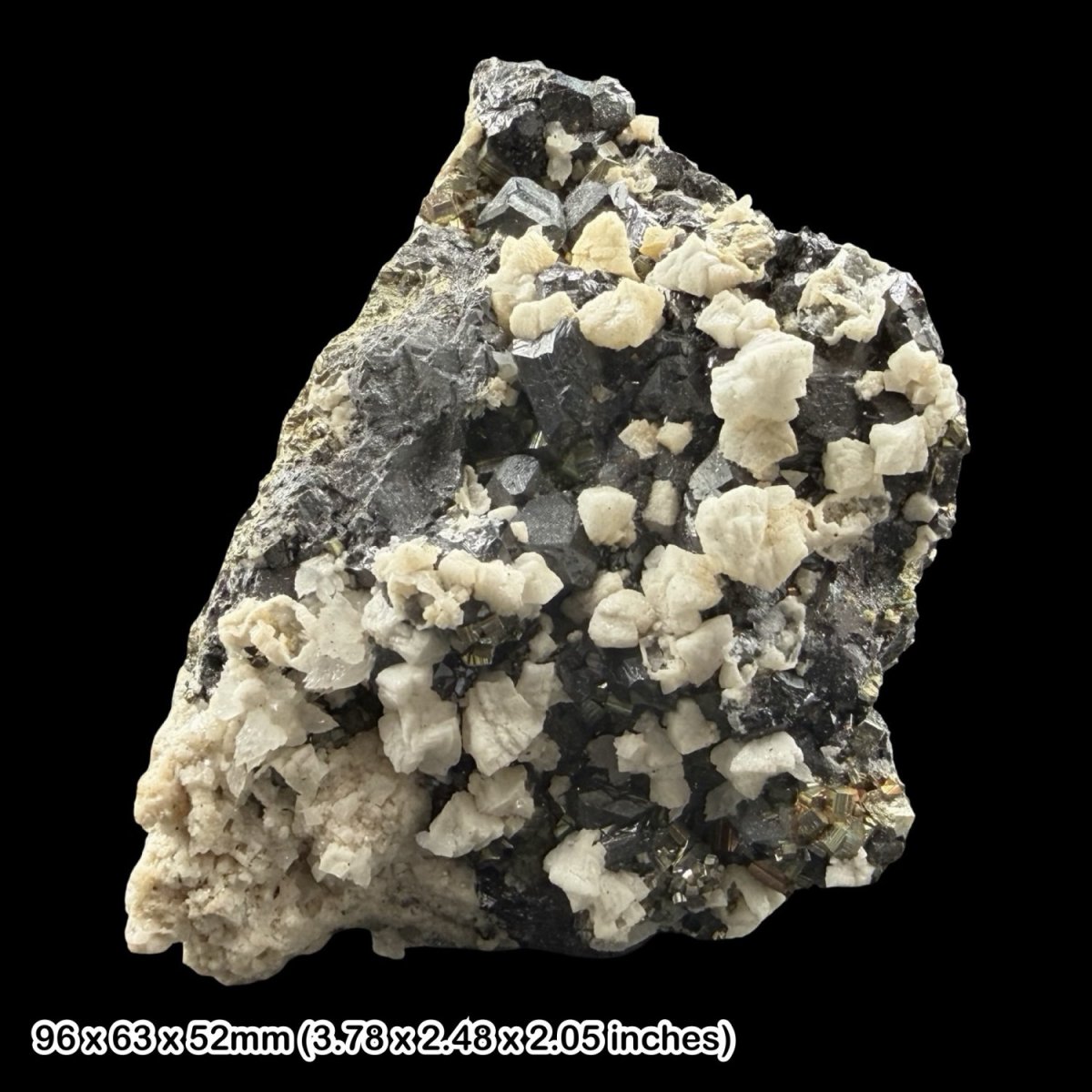
Sphalerite Dolomite Calcite Pyrite Crystal Specimen COA Natural Mineral Display Collectable Geological Display Piece
$ 46.00
Description About This Sphalerite with Dolomite/Calcite and Pyrite This Sphalerite with Dolomite/Calcite and Pyrite is a genuine natural crystal and mineral specimen, carefully chosen for its attractive mineral combination, contrasting colours, and collectable geological interest. The photograph shows the actual specimen you will receive, allowing buyers to view the individual crystal form, surface texture, natural matrix, colour variation, and display quality of this piece. Full sizing can be seen in the photo. This specimen features sphalerite associated with dolomite/calcite and pyrite, creating a classic and visually appealing mineral assemblage. The combination of darker sphalerite, paler carbonate minerals, and metallic pyrite gives the specimen strong contrast, making it ideal for mineral collectors, crystal collectors, natural history displays, cabinet specimens, educational geology collections, and decorative display. Mineral Type and Crystal Species Sphalerite is a zinc sulphide mineral with the chemical formula ZnS and is the principal ore mineral of zinc. It is well known among collectors for its wide colour range, high lustre, and distinctive crystal forms. Sphalerite can appear black, brown, reddish-brown, honey yellow, amber, grey, or greenish depending on trace elements, especially iron content. Darker sphalerite is often iron-rich and may show a resinous to sub-metallic lustre, while lighter examples can be more translucent. Dolomite is a calcium magnesium carbonate mineral with the chemical formula CaMg(CO3)2. It often forms curved rhombohedral crystals, granular masses, or pale crystalline coatings. Calcite is calcium carbonate, CaCO3, and is one of the most widespread carbonate minerals. It may form rhombohedral, scalenohedral, massive, crystalline, or drusy habits. In mixed mineral specimens, dolomite and calcite can appear white, cream, grey, beige, pale pink, or lightly translucent. Pyrite is iron sulphide, FeS2, and is recognised for its metallic lustre and brassy gold colour. It commonly forms cubic, pyritohedral, granular, or sparkling crystalline surfaces. In association with sphalerite and carbonate minerals, pyrite adds a bright metallic contrast that enhances the overall display quality of the specimen. Geology and Formation Environment Sphalerite commonly forms in hydrothermal mineral veins, sedimentary-hosted ore deposits, limestone replacement deposits, and other mineral-rich environments where hot fluids move through cracks, cavities, and porous rock. These fluids carry dissolved zinc, sulphur, iron, calcium, magnesium, and carbonate components, which can crystallise together as conditions change. The presence of dolomite or calcite suggests a carbonate-rich environment, often associated with limestone or dolostone host rocks. In these settings, mineralising fluids can deposit sphalerite, pyrite, calcite, dolomite, galena, quartz, fluorite, and other minerals in veins, pockets, and open cavities. Over time, these minerals grow together, producing attractive natural associations with varied texture and colour. Crystal Habit, Colour, and Natural Features Sphalerite commonly forms tetrahedral, dodecahedral, massive, granular, or complex intergrown crystals. It may show strong lustre, reflective crystal faces, natural cleavage surfaces, or resinous areas depending on the individual growth pattern. The darker sphalerite contrasts beautifully with paler dolomite or calcite and bright pyrite. The dolomite/calcite component may appear as pale crystalline matrix, sparkling drusy areas, blocky crystals, rhombohedral faces, or natural carbonate growths. Pyrite may be present as small metallic crystals, brassy specks, clustered grains, or reflective patches across the specimen. These combined features give the piece a rich natural texture and make it especially interesting under good lighting. Natural features may include uneven crystal growth, small contact marks, matrix areas, minor edge wear, colour zoning, surface texture, cleavage faces, and natural mineral boundaries. These are normal characteristics of genuine mineral specimens and form part of the specimen’s geological character. Collecting, Display, and Decorative Appeal Sphalerite with Dolomite/Calcite and Pyrite is a desirable combination for collectors who enjoy sulphide minerals, carbonate associations, ore minerals, metallic crystals, and natural matrix specimens. The specimen offers an excellent example of how different minerals can form together in the same geological environment, creating a display piece with both aesthetic and educational value. This crystal specimen is suitable for display in a mineral cabinet, on a shelf, desk, study area, windowsill, or as part of a natural history collection. The contrast between dark sphalerite, pale carbonate minerals, and metallic pyrite makes it a striking addition alongside quartz, fluorite, galena, calcite, dolomite, barite, fossil specimens, and other geological display pieces. Authenticity and Certificate This Sphalerite with Dolomite/Calcite and Pyrite is a genuine specimen and includes a Certificate of Authenticity lifetime guarantee generic card. It has been carefully selected for its natural mineral interest, attractive appearance, and collectable display quality. The photo shows the actual crystal supplied, so buyers can purchase with confidence knowing they will receive the individual specimen shown.
Related products
-33%
-20%
-17%
-10%
$ 2.10
This product has multiple variants. The options may be chosen on the product page
-20%