-17%
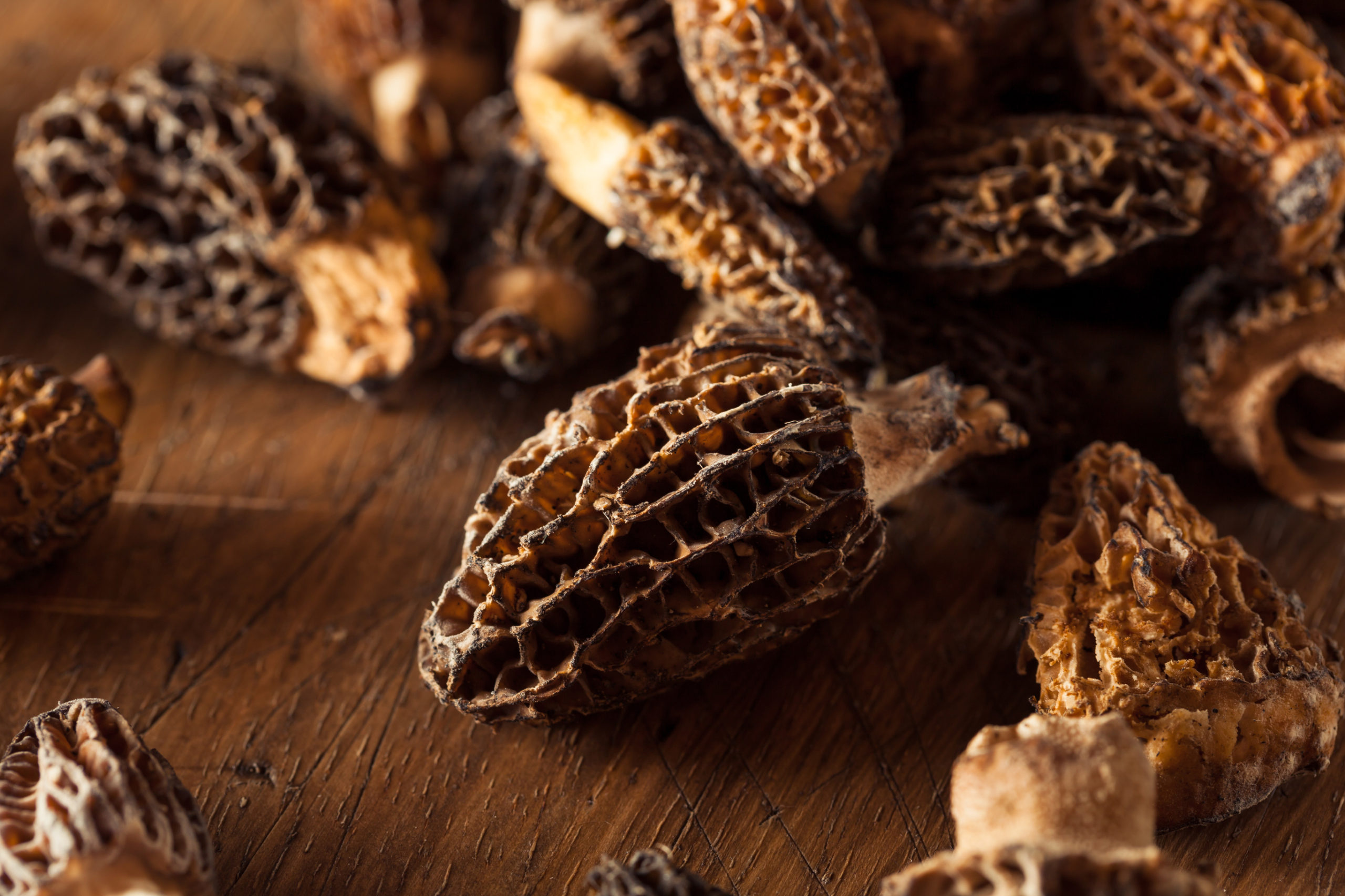
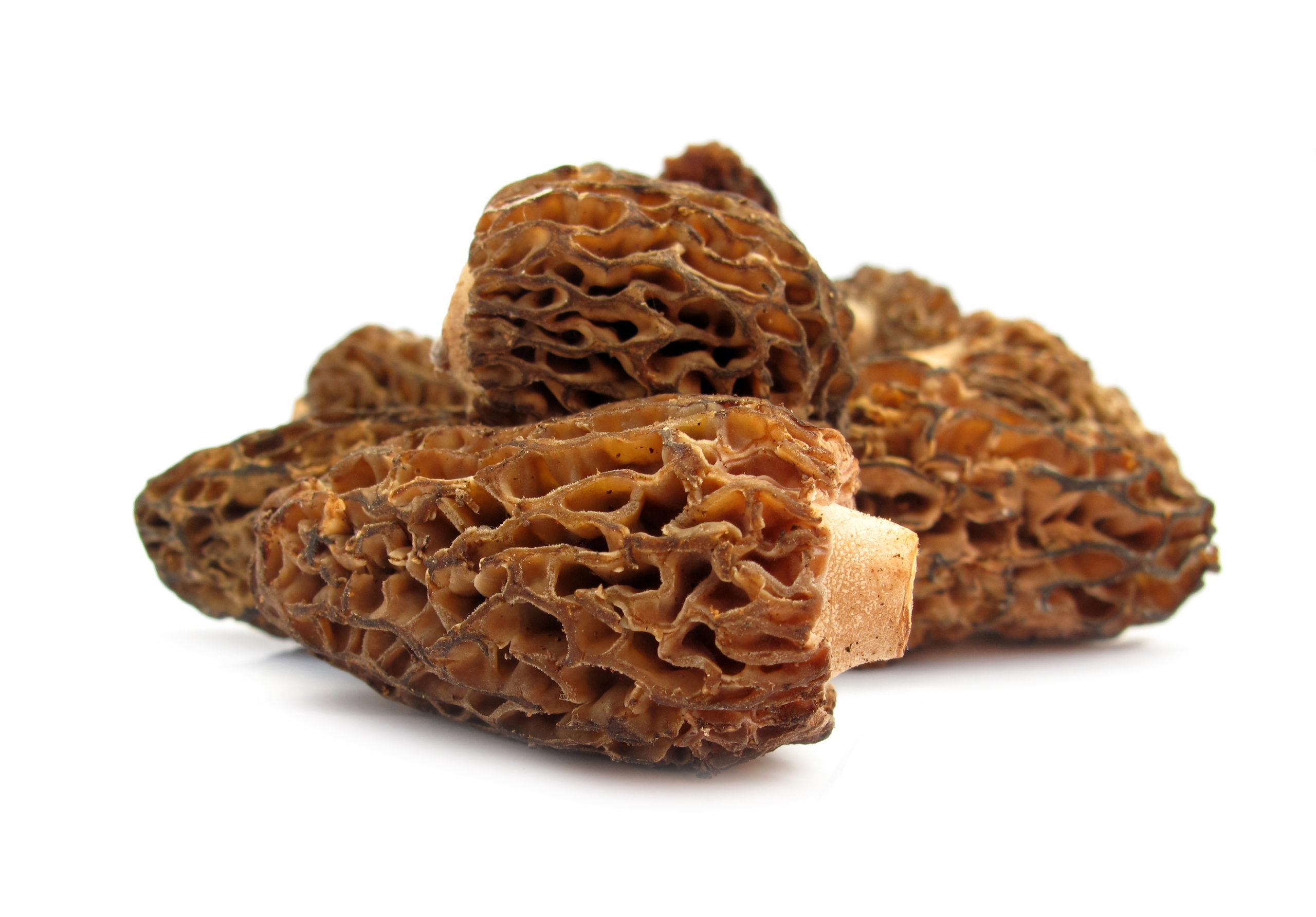
Black Morel Mushrooms (Dried)
$ 45.00
Black Morel mushrooms have a hollow stalk, and a wrinkly, brain-like or honey-combed cap. Depending on location and climate, morels can grow from March–May. In colder climates, they won’t start fruiting until early–mid May after it has rained significantly and the weather has been warm for a good period of time. We grow our Black Morels around Tulip Trees, Black Cherry Trees and American Elm Trees. These mushrooms are highly sought after by chefs for their distinctive nutty and subtle nutty and subtle umami flavor. Black Morels also have a bit of smokiness to their flavor. Quickly sautéing them in butter with onions or shallots brings out their woodsy, nutty flavor, which you can then serve alongside grilled steak or incorporate into a pasta sauce or risotto. Black Morels are presumed to help protect the body from damaging invasive fungi, reduce oxidative stress on the liver. They also contain lots of Vitamin D and antioxidants that are good in protecting your body from free radicals. The antioxidants in Morels help in removing harmful molecules in your body called reactive oxygen species. Scientific NameMorchella elataCommon NamesBlack MorelOriginMorris County NJ, USAShelf Life12 monthsFlavorNutty umami with a smokinessRecommended UsesCookingCooking SuggestionsSautéing them in butter with onions or shallotsRehydrate in bowl of warm water for 20 minutesNutrientsPer 4 oz: 34.32 calories, 0.68 g of fat, 3.6 g of protein and 5.83g of carbohydrates, 0.68 g sugar, 3.25 g of dietary fiberPresumed Medical BenefitsContain lots of Vitamin D and antioxidants that are good in protecting your body from free radicals. These free radicals are often the cause of heart diseases, Parkinson's disease, Type 1, and Type 2 Diabetes. The antioxidants in Morels help in removing harmful molecules in your body called reactive oxygen speciesAllergy InformationNever eat morel mushrooms raw. Cooking eliminates substances that may make you sick
Related products
-33%
-17%
-20%
-17%
-20%
-10%
$ 16.20
This product has multiple variants. The options may be chosen on the product page
-20%